
Executive Summary
Malaysia’s Animal Production and Aquaculture sector (MSIC 014 & 032) represents a strategically important component of the country’s agri-food system, supporting domestic food security, protein supply, and export-oriented production. While agriculture contributes a relatively modest share to GDP (~8% in ASEAN context), its role in stabilizing food supply and trade balance remains critical
Between 2022 and 2024, the sector demonstrates a moderate but resilient growth trajectory, with Revenue reaching USD 8.79B in 2024, up from USD 8.25B in 2022. This reflects steady expansion in livestock production—particularly poultry and meat output—alongside continued structural importance of aquaculture in the protein supply chain.
However, profitability dynamics remain constrained. While Net Profit increased to USD 544.3M in 2024, margin expansion is gradual, reflecting ongoing pressures from feed costs, environmental risks, and supply chain inefficiencies. Overall, Malaysia’s animal protein sector is transitioning toward a more efficient, semi-industrialized production model, where scale, cost control, and sustainability practices increasingly define competitive advantage.
Industry Snapshot 2024
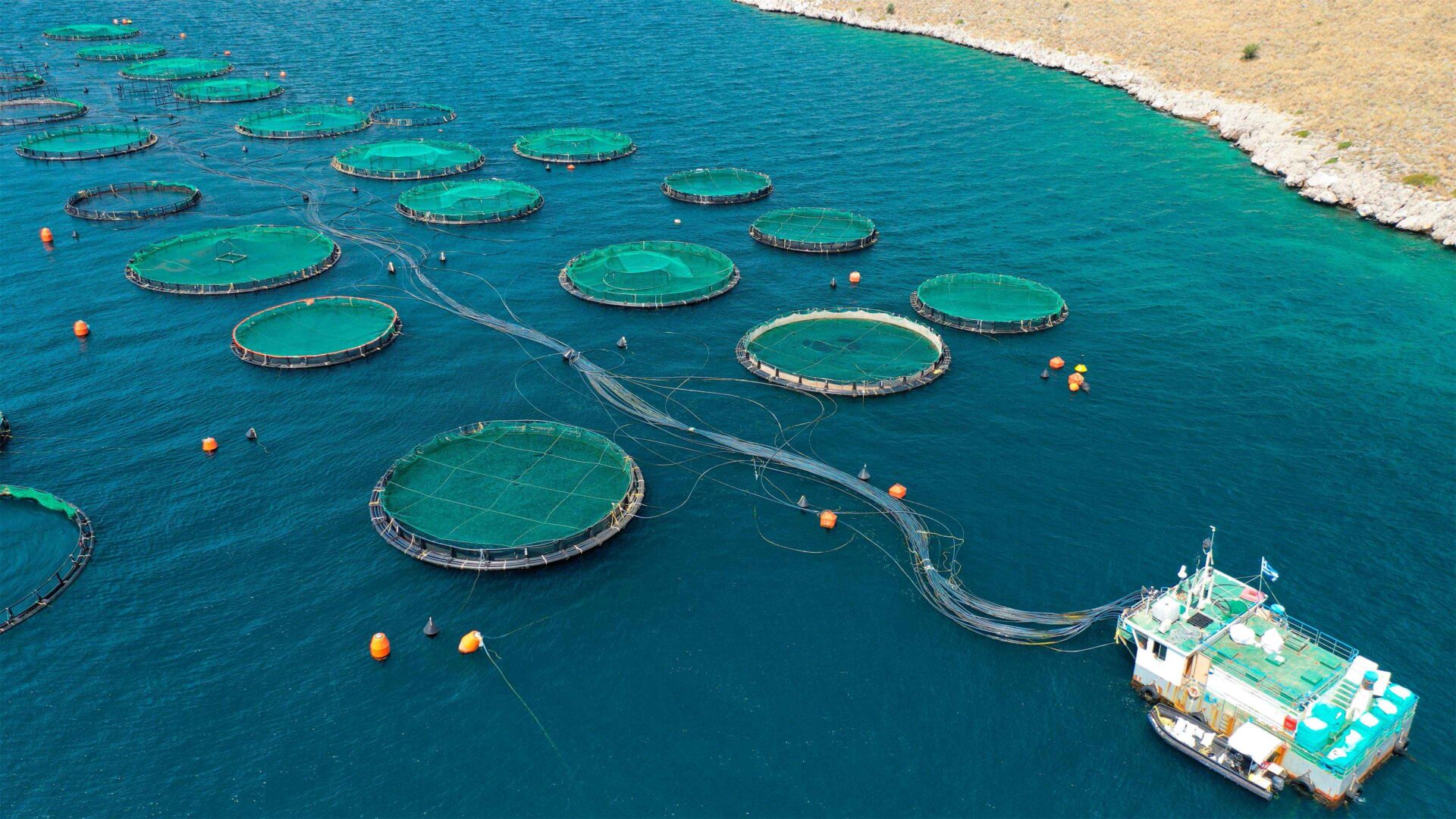
Malaysia’s Animal Production and Aquaculture sector includes livestock farming (poultry, cattle, dairy) and aquaculture (fish, shrimp, and crustaceans).
In 2024:
- Companies: 390 (down from 541 in 2022, indicating consolidation)
- Revenue: USD 8.79B (~3.2% CAGR 2022–2024)
- Cost of Goods Sold (COGS): USD 5.10B
- Operating Profit: USD 792.3M
- Net Profit: USD 544.3M
Key observations:
- Revenue growth remains steady, supported by domestic consumption and export demand
- COGS declined vs. 2022, reflecting some normalization in input costs
- Operating and Net Profit improved, but margins remain sensitive to cost volatility
Notably, the decline in company count suggests market consolidation, with smaller or less efficient operators exiting or being absorbed into larger supply chainsg, Operating Profit compression in 2024 signals rising overheads, including faculty costs, infrastructure, and digital investments.m 114 in 2022, suggesting early-stage consolidation or capital discipline in upstream participation.
Industry Characteristics & Operating Landscape
Where do companies typically operate?
Production is geographically diversified, with strong clustering in:
- Peninsular Malaysia (Johor, Perak, Selangor): Poultry and livestock hubs
- East Malaysia (Sabah, Sarawak): Aquaculture and fisheries
- Coastal regions: Shrimp farming and marine aquaculture
Malaysia benefits from favorable tropical conditions and long coastlines (~4,600 km), enabling both livestock and aquaculture development at scale
What drives demand in this sector?
Demand is supported by a combination of structural and cyclical drivers:
- Rising protein consumption: Driven by population growth and income expansion
- Food security priorities: Government focus on reducing import dependency
- Export demand: Particularly for seafood and processed protein products
- Tourism recovery: Supporting foodservice demand
On the supply side, livestock production (especially poultry) has shown strong growth, with chicken population and output rising significantly in 2024 Meanwhile, aquaculture continues to play a growing role in total fish supply (~30% contribution historically), although production growth is uneven due to environmental constraints education projected to grow at ~24.6% CAGR through 2033, reflecting a shift toward flexible and modular learning.
What defines the operational model?
The sector operates on a cost-intensive, volume-driven model, with tight margin structures.
Revenue streams:
- Livestock sales (poultry, beef, dairy)
- Aquaculture output (fish, shrimp, seafood)
- Processed protein and downstream distribution
Cost structure drivers:
- Feed costs (largest cost component)
- Labor and farm operations
- Veterinary care and disease management
- Logistics and cold chain distribution
A key structural shift is the move toward:
- Integrated farming models (farm → processing → distribution)
- Technology adoption (automated feeding, water monitoring systems)
Sustainable practices (ESG, traceability, biosecurity)ment to value-based education, where institutions compete on outcomes, employability, and program differentiation rather than scale alone.
Interpreting 2022-2024 Performance
Sector-wide financial trends reflect a stabilizing but margin-sensitive industry:
- Steady revenue growth: Driven by consistent domestic demand and protein consumption
- COGS normalization: Following prior spikes in feed and input costs
- Improving profitability: Net Profit rising from USD 376.9M (2022) to USD 544.3M (2024)
- Industry consolidation: Declining company count signals increasing barriers to entry
However, structural pressures remain:
- Feed price volatility and import dependency
- Environmental and climate risks impacting aquaculture yields
- Disease outbreaks (e.g., livestock biosecurity challenges)
- Fragmented smallholder base limiting efficiency
Importantly, the sector reflects a transition:
- From fragmented, small-scale farming → toward integrated, commercial operations
From volume growth → toward efficiency and margin optimizationore’s education industry is moving toward a leaner, more premium, and internationally-driven model.
What This Means for Investors
For investors, Malaysia’s Animal Production & Aquaculture sector presents a defensive, necessity-driven asset class, but one that is highly execution-dependent.
Key considerations:
- Exposure to input cost volatility (feed, energy)
- Regulatory and food security policies shaping industry structure
- ESG and sustainability requirements (increasingly important globally)
- Fragmentation vs. consolidation dynamics
Where value creation is emerging:
- Integrated protein producers (end-to-end value chain control)
- Aquaculture modernization (higher yield, export-oriented segments like shrimp)
- Agri-tech and precision farming solutions
- Cold chain and logistics infrastructure
With global protein demand rising and Southeast Asia positioning as a key supply hub, Malaysia’s sector offers long-term structural relevance, albeit with cyclical margin sensitivity and operational complexity.class.asset class.
About Datagent
Datagent is the trusted intelligence partner for company data and insights across Southeast Asia and beyond. We combine firmographics, financials, macro and micro economics into one integrated dataset — helping organizations uncover opportunities, assess markets, and make smarter, data-backed decisions across 11 dynamic economies.
Datagent provides a total of 61 firmographic data fields, comprising 22 non-financial, and 39 financial indicators with coverage spanning 2022–2024.
This report is for informational purposes only and does not constitute financial advice or an invitation to invest. Decisions should be based on independent research and professional consultation to avoid any unintended liabilities.